
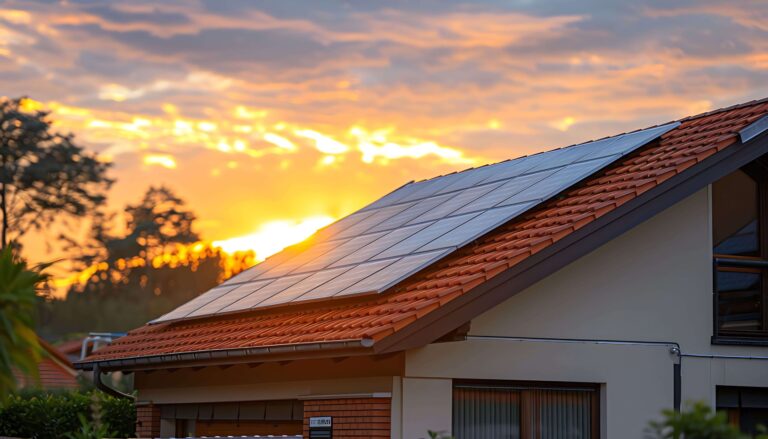
Portable solar panels have quickly become one of the most practical ways to generate electricity when you are away from traditional power sources. Whether you are camping in remote areas, traveling in an RV, preparing for power outages, or building an off-grid energy system, portable solar panels allow you to capture sunlight and convert it into usable electricity almost anywhere.
As portable solar technology has improved, the number of available products has increased dramatically. Today’s market includes dozens of different models with varying wattages, solar cell types, portability designs, and connection options. While this variety gives buyers more choices, it can also make the process of selecting the right solar panel confusing.
The best portable solar panel is not necessarily the one with the highest wattage or the lowest price. Instead, the ideal panel depends on several factors including how much electricity you need, how portable your setup must be, and what type of battery or power station you plan to use.
Understanding the most important features that affect solar panel performance will help you make a smarter purchase and build a solar system that meets your needs reliably. In this guide, we will walk through the key considerations for choosing the best portable solar panel, including wattage, efficiency, portability, durability, and compatibility with portable power stations.
Start by Understanding Your Energy Needs
Before choosing a solar panel, it is important to determine how much electricity you actually need. Portable solar panels generate energy that is typically stored in a portable power station or battery system. That stored energy is then used to power devices such as smartphones, laptops, lights, and small appliances.
Different devices require very different amounts of power. Charging a smartphone requires relatively little energy, while running a portable refrigerator or powering multiple electronics can require significantly more electricity throughout the day.
For example, a smartphone battery might require around 10–15 watt-hours of electricity to recharge. A laptop may require between 50 and 100 watt-hours depending on the model. A small camping refrigerator could use several hundred watt-hours of electricity over a 24-hour period.
By estimating how much electricity your devices consume each day, you can choose a solar panel that produces enough energy to keep your battery system charged.
Choosing the Right Solar Panel Wattage
Solar panel wattage indicates the maximum amount of power a panel can produce under ideal sunlight conditions. Portable solar panels are commonly available in three primary sizes: 100 watts, 200 watts, and 300 watts.
A 100-watt solar panel can typically generate about 400–500 watt-hours of energy per day when exposed to strong sunlight for several hours. This is usually sufficient for charging phones, small electronics, and lighting during camping trips.
A 200-watt solar panel can produce roughly 800–1000 watt-hours of electricity per day under good conditions. This size is commonly used by RV travelers and van life enthusiasts who need enough energy to support larger portable power stations and multiple devices.
A 300-watt portable solar panel can generate well over 1200 watt-hours of electricity during sunny days. Panels of this size are often used for home backup systems or larger off-grid setups where faster battery charging is required.
Selecting the correct wattage ensures that your solar panel can recharge batteries quickly enough to keep up with your daily energy usage.
Solar Panel Efficiency and Why It Matters
Solar panel efficiency refers to how effectively a panel converts sunlight into electricity. Higher efficiency panels generate more electricity from the same amount of sunlight and surface area.
Most modern portable solar panels use monocrystalline solar cells, which typically achieve efficiency levels between 20 percent and 23 percent. These cells are known for their strong performance and ability to generate electricity even when sunlight conditions are less than ideal.
Higher efficiency panels are particularly valuable for portable systems because they allow manufacturers to produce compact panels that still generate significant amounts of power. This means you can produce more electricity without needing a large, heavy panel.
Efficiency becomes especially important when sunlight conditions are limited, such as during cloudy weather or early morning and late afternoon hours.
Portability and Weight Considerations
One of the main advantages of portable solar panels is the ability to transport them easily. Because of this, weight and overall portability are important factors to evaluate before purchasing a solar panel.
Many modern portable panels use foldable designs that collapse into suitcase-style carrying cases. These designs protect the solar cells during transportation while also making the panels easier to store in vehicles or camping gear.
Smaller panels typically weigh between eight and twelve pounds, while larger high-power panels may weigh twenty pounds or more. If you plan to carry your solar panel frequently or transport it long distances, a lightweight design will make the process easier.
For RV travel or home backup systems where portability is less critical, larger panels with higher power output may be more practical.
Ensuring Compatibility with Power Stations
Portable solar panels are most commonly used with portable power stations or solar generators. These battery systems store the electricity produced by the solar panel and allow you to power devices when sunlight is unavailable.
Before purchasing a solar panel, it is important to verify that the panel is compatible with your power station. Different brands may use different connectors and voltage requirements, which can affect charging performance.
Many portable solar panels use MC4 connectors, which are widely used in the solar industry. Some panels also include adapter cables that allow them to connect to multiple power station brands.
Ensuring compatibility between your solar panel and battery system will allow your equipment to function together efficiently.
Durability and Outdoor Protection
Because portable solar panels are often used outdoors, durability is another important factor to consider. Panels may be exposed to dust, moisture, temperature changes, and occasional impacts during transportation.
High-quality portable solar panels often use durable materials such as reinforced fabric housings, tempered glass, or protective polymer layers to protect the photovoltaic cells. These materials help extend the lifespan of the panel and reduce the risk of damage.
Many panels also include weather-resistant designs that allow them to tolerate light rain and outdoor conditions. While most portable panels are not designed for heavy storms, weather resistance helps ensure reliable operation during typical outdoor use.
Adjustable Kickstands and Panel Positioning
Solar panels generate the most electricity when they are positioned directly toward the sun. Panels that include adjustable kickstands allow users to angle the panel toward the sun throughout the day.
This small feature can significantly improve solar energy production compared with panels that lie flat on the ground. Adjustable stands also make it easier to reposition the panel as the sun moves across the sky.
Many portable solar panels designed for camping and travel include built-in kickstands for this purpose.
Expandability and Future Solar Upgrades
Many portable solar setups allow users to connect multiple solar panels together to increase total energy production. This expandability can be useful for people who expect their power needs to grow over time.
For example, two 100-watt solar panels connected together can produce roughly the same output as a single 200-watt panel. Some portable power stations allow multiple solar inputs, which makes it possible to expand your solar system gradually.
Choosing equipment that supports expansion can provide long-term flexibility as your energy needs evolve.
Balancing Cost and Performance
Price is always an important consideration when purchasing equipment, but the lowest price does not always represent the best value. Higher-quality solar panels often provide better efficiency, stronger durability, and more reliable long-term performance.
A well-built portable solar panel can last for many years with minimal maintenance. For people who frequently rely on solar energy during travel or emergencies, investing in a reliable panel can provide significant long-term benefits.
Balancing cost with important performance factors such as efficiency, durability, and compatibility will help ensure that you choose a solar panel that meets your needs.
Conclusion
Choosing the best portable solar panel requires evaluating several key factors including power output, efficiency, portability, durability, and compatibility with your battery system. By understanding how these features affect real-world performance, you can select a solar panel that generates reliable electricity wherever sunlight is available.
For lightweight travel and small electronics, a 100-watt portable solar panel is often sufficient. For RV travel and larger portable power stations, a 200-watt panel provides a strong balance between portability and energy production. Larger 300-watt panels are ideal for home backup systems or more demanding off-grid setups.
Portable solar technology continues to improve each year, making these systems more powerful, efficient, and accessible than ever before. With the right portable solar panel, you can create a dependable renewable energy system for camping, travel, emergency preparedness, and off-grid living.