
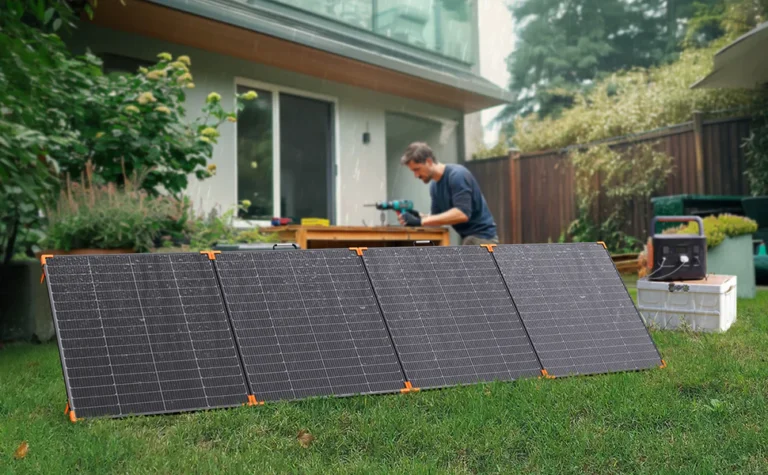
Power outages have become increasingly common in many parts of the United States due to extreme weather, aging electrical infrastructure, and rising energy demand. For homeowners who want a reliable source of electricity during blackouts, portable solar panels have emerged as one of the most practical backup power solutions available. Unlike gas generators that require fuel and produce noise and emissions, portable solar panels generate clean electricity from sunlight and can be used anywhere sunlight is available.
Portable solar panels are particularly useful when paired with battery-powered portable power stations, sometimes called solar generators. These systems capture solar energy during the day and store it in batteries that can power essential household devices when the electrical grid goes down. With the right setup, homeowners can maintain access to lighting, communication devices, refrigeration, and other critical electronics during extended outages.
Modern portable solar panels have become far more powerful and efficient than earlier models. Improvements in photovoltaic technology allow compact panels to generate between 100 and 200 watts of electricity while remaining lightweight and easy to transport. Many foldable solar panels can be stored in a closet, garage, or emergency kit and deployed quickly when a power outage occurs.
In this guide, we’ll explore how portable solar panels for home backup power work, what devices they can realistically run, and how to build a reliable solar backup system that keeps essential appliances powered during emergencies.
Why Portable Solar Panels Are Ideal for Home Backup Power
Traditional backup power systems often rely on gasoline or propane generators. While these generators can produce significant power, they also come with several drawbacks. Fuel generators require regular maintenance, produce noise and exhaust fumes, and rely on fuel availability during emergencies. In many widespread power outages, fuel can become difficult to obtain.
Portable solar panels provide an alternative solution that eliminates many of these challenges. Because they generate electricity directly from sunlight, they require no fuel and operate silently. This makes them particularly useful in residential areas where noise and air pollution may be concerns.
Another advantage of portable solar panels is their flexibility. Unlike rooftop solar installations that are permanently mounted, portable panels can be positioned anywhere sunlight is available. Homeowners can place them in driveways, backyards, patios, or open areas to maximize solar exposure. This flexibility helps maintain consistent energy production even if parts of the property are shaded.
Portable solar systems are also easier to set up than traditional solar installations. Many systems require no tools or electrical wiring. Homeowners can simply unfold the solar panel, connect it to a portable power station, and begin generating electricity within minutes.
For households looking for a simple, low-maintenance backup power solution, portable solar panels offer a practical and environmentally friendly option.
How Portable Solar Backup Systems Work
A portable solar backup system typically consists of three primary components: solar panels, battery storage, and electrical outputs.
The portable solar panel captures sunlight and converts it into electrical energy using photovoltaic cells. This electricity flows into a battery system, usually a portable power station, which stores the energy until it is needed. When the stored energy is used, the power station converts it into alternating current (AC) electricity that can power household electronics.
This setup allows homeowners to generate energy during the day and use it later during the evening or nighttime hours.
A typical home backup solar system includes:
- portable solar panels
- a portable power station or solar generator
- charging cables and connectors
This combination creates a flexible solar power system that can be expanded over time by adding additional panels or battery capacity.
Quick Comparison: Best Portable Solar Panels for Home Backup
|
Solar Panel |
Power Output |
Weight |
Efficiency |
Best For |
|
Jackery SolarSaga 100 |
100W |
10 lbs |
23% |
Emergency backup |
|
EcoFlow 220W Bifacial |
220W |
15 lbs |
22% |
High output systems |
|
Bluetti PV200 |
200W |
16 lbs |
23% |
Solar generators |
|
Renogy 200W Foldable |
200W |
17 lbs |
21% |
Budget home backup |
Best Portable Solar Panels for Home Backup
Jackery SolarSaga 100
⭐ Rating: 4.8 / 5
Best for: Emergency solar backup
The Jackery SolarSaga 100 is one of the most widely used portable solar panels for emergency power. Its compact size and high solar efficiency make it ideal for homeowners who want a reliable solar charging solution that can be stored easily when not in use.
The panel produces up to 100 watts of electricity and uses high-efficiency monocrystalline solar cells that convert approximately 23 percent of sunlight into usable power. This efficiency helps maintain charging performance even when sunlight conditions are not ideal.
The SolarSaga 100 folds into a compact case with built-in carrying handles, allowing it to be stored easily in a garage or emergency preparedness kit. Adjustable kickstands allow users to angle the panel toward the sun to improve solar energy production.
When paired with a portable power station, the SolarSaga 100 can help power essential devices such as phones, lights, routers, and laptops during outages.
EcoFlow 220W Bifacial Solar Panel
⭐ Rating: 4.7 / 5
Best for: High-power solar charging
For homeowners who want faster solar charging, the EcoFlow 220W bifacial solar panel offers significantly higher power output. With a maximum capacity of 220 watts, it can generate more energy throughout the day compared with smaller panels.
Its bifacial design allows the panel to capture sunlight from both the front and rear sides, improving overall energy production in reflective environments such as patios, driveways, and light-colored surfaces.
This panel is particularly useful when paired with larger solar generators that require higher charging input.
What Appliances Can Portable Solar Panels Power?
Portable solar backup systems are designed to power essential electronics rather than entire homes. However, when paired with battery storage, they can support many critical devices during outages.
Common devices powered by portable solar backup systems include:
- smartphones and tablets
- internet routers
- LED lighting
- laptops
- medical equipment
- portable refrigerators
More powerful solar setups may also support small appliances such as fans, televisions, and CPAP machines.
The total power available depends on both the solar panel wattage and the battery capacity of the power station used to store energy.
How Much Solar Power Do You Need for Home Backup?
Determining the right solar panel size depends on how much electricity your household needs during an outage.
For basic emergency power, many homeowners start with a 100-watt portable solar panel and a 500Wh power station. This setup can typically charge phones, run LED lighting, and keep internet equipment running.
For more robust backup systems, many people choose 200-watt solar panels paired with 1000Wh or larger battery systems. These setups can power additional appliances and extend energy availability during multi-day outages.
In general, higher wattage panels will recharge batteries faster and provide more consistent power during extended emergencies.
Advantages of Portable Solar Backup Systems
Portable solar panels offer several benefits compared with traditional backup power solutions.
Renewable Energy
Solar panels generate electricity using sunlight, which is a renewable energy source that produces no emissions.
Quiet Operation
Unlike fuel generators, solar panels operate silently and produce no exhaust fumes.
Low Maintenance
Solar panels have no moving parts and require minimal maintenance.
Easy Deployment
Most portable solar systems can be set up within minutes without tools or installation.
Are Portable Solar Panels Worth It for Home Backup?
For many households, portable solar panels are a worthwhile investment for emergency preparedness. While they may not replace a full-home backup generator, they provide enough electricity to power essential devices during outages. This capability can be extremely valuable during severe weather events or extended power disruptions.
Portable solar systems are also scalable. Homeowners can start with a small solar setup and gradually expand it by adding additional panels or larger battery systems as their energy needs grow.
Because solar panels rely on sunlight rather than fuel, they also provide a reliable power source during emergencies when fuel supplies may be limited.
Conclusion
Portable solar panels have become one of the most practical backup power solutions available for homeowners who want reliable electricity during emergencies. By capturing solar energy during the day and storing it in portable power stations, these systems provide clean, quiet power that can keep essential devices running during outages.
Whether you are preparing for storms, grid failures, or unexpected power disruptions, a portable solar backup system can provide peace of mind and energy independence. With modern solar panels becoming more efficient and affordable