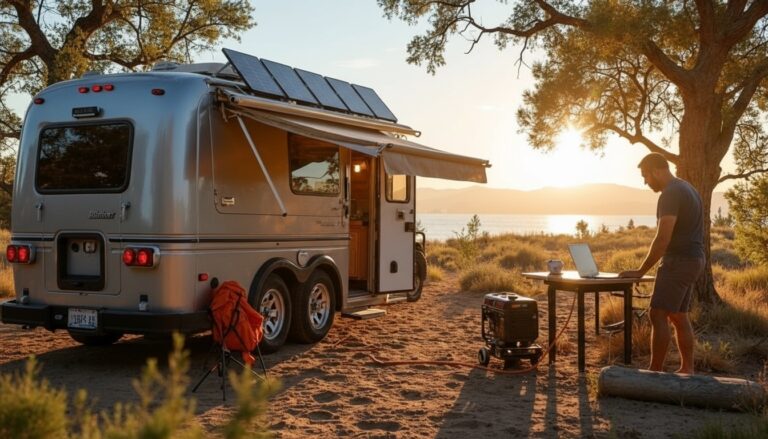
One of the biggest challenges of extended camping trips is managing power for essential devices. Smartphones, GPS units, cameras, lanterns, and portable refrigerators all require electricity. While small battery packs can help, they eventually run out of charge.
Portable solar panels solve this problem by turning sunlight into electricity throughout the day. Instead of carrying multiple backup batteries or relying on generators, campers can recharge devices using renewable solar energy.
A typical camping solar setup consists of a portable solar panel connected to a portable power station. The solar panel captures sunlight and converts it into electricity, while the power station stores the energy for later use. This system allows campers to generate power continuously as long as sunlight is available.
Compared with fuel generators, solar panels offer several advantages for camping. They operate silently, require no fuel, and produce no emissions. This makes them ideal for campsites, national parks, and wilderness areas where quiet operation and environmental protection are important.
Another advantage is portability. Most portable solar panels designed for camping fold into compact cases that are easy to transport in vehicles or backpacks. Many weigh less than ten pounds while still producing enough electricity to charge phones, lights, and laptops.
How a Camping Solar Power Setup Works
A portable solar power setup for camping is surprisingly simple. Most systems include just three main components.
Portable Solar Panel
The solar panel captures sunlight and converts it into direct current (DC) electricity. Foldable solar panels are the most common type used for camping because they are lightweight and easy to transport.
Portable Power Station
A portable power station is essentially a rechargeable battery with multiple output ports. These devices store electricity generated by the solar panel and allow you to power electronics even when the sun is not shining.
Many campers use brands such as Jackery, EcoFlow, Bluetti, and Anker because their devices are designed to work seamlessly with solar panels.
Charging Devices
Once the power station is charged, it can power a wide range of camping equipment, including
- smartphones
- headlamps and lanterns
- portable refrigerators
- cameras and drones
- laptops and tablets
This combination of solar panels for portable power stations has become one of the most popular off-grid power solutions for outdoor travel.
Quick Comparison Table: Best Portable Solar Panels for Camping
Comparison table
Suggested structure:
|
Solar Panel |
Wattage |
Weight |
Best For |
Price |
|
Jackery SolarSaga 100 |
100W |
10 lbs |
Camping & travel |
Check Price |
|
Goal Zero Nomad 100 |
100W |
9.5 lbs |
Rugged outdoor use |
Check Price |
|
EcoFlow 110W |
110W |
13 lbs |
Power stations |
Check Price |
|
Renogy 100W Foldable |
100W |
12 lbs |
Budget solar kits |
Check Price |
How Much Solar Power Do You Need for Camping?
The amount of solar power you need depends on the devices you plan to use while camping. For most casual camping trips, a solar panel between 60 watts and 120 watts provides enough electricity to recharge small electronics and lighting systems.
For example, a 100-watt portable solar panel can typically generate between 300 and 500 watt-hours of electricity per day in good sunlight conditions. This is usually enough to charge several smartphones, run LED lighting for hours, and recharge a small laptop.
Campers who rely on larger devices, such as portable refrigerators or cooking equipment, may require a more powerful setup. In these situations, many people combine a 200-watt solar panel with a higher capacity portable power station.
This type of portable solar power setup can provide enough energy to support multi-day camping trips without needing external electricity.
Choosing the Best Portable Solar Panel for Camping
When selecting a portable solar panel for camping, there are several factors worth considering. The best panel for your needs will depend on your power requirements, travel style, and available storage space.
Power Output
Solar panels are rated by wattage, which determines how much electricity they can generate. A 100-watt solar panel is usually sufficient for basic camping electronics, while larger setups may require 200 watts or more.
Portability
Weight and size are important considerations when traveling. Foldable solar panels designed for camping are typically compact and include carrying handles for easy transport.
Durability
Outdoor gear must withstand rough conditions, including dust, moisture, and frequent movement. High-quality solar panels are built with reinforced frames and weather-resistant materials that can handle extended outdoor use.
Compatibility
Not all solar panels work with every battery system. Many camping solar panels are designed to connect directly to portable power stations, but it’s important to confirm compatibility before purchasing.
Panels designed specifically as solar panels for portable power stations usually include the correct adapters and connectors for popular power station brands.
Tips for Using Portable Solar Panels While Camping
Getting the most out of your solar panel setup requires proper positioning and planning.
The most important factor is sunlight exposure. Solar panels should be placed in an open area where they receive direct sunlight for as many hours as possible. Even partial shade can significantly reduce power generation.
Many foldable solar panels include adjustable kickstands that allow you to angle the panel toward the sun. Adjusting the panel position throughout the day can improve charging performance.
It’s also helpful to charge your portable power station during peak sunlight hours. By storing energy throughout the day, you can power devices throughout the evening without worrying about losing electricity.
Finally, keep your solar panel surface clean. Dust, dirt, and debris can reduce solar efficiency, so occasionally wiping the panel surface can help maintain optimal performance.
Are Portable Solar Panels Worth It for Camping?
For many outdoor enthusiasts, portable solar panels are one of the most useful camping upgrades available. They provide a dependable way to generate electricity without relying on campground outlets or noisy generators.
When paired with a portable power station with solar panels, these systems allow campers to stay powered for extended trips while maintaining a lightweight and portable setup.
Portable solar panels are particularly valuable for:
- off-grid camping trips
- van life and overlanding
- remote photography or drone use
- multi-day outdoor adventures
As solar technology continues to improve, portable panels are becoming more efficient and affordable. This makes them an increasingly practical option for anyone who wants reliable power while exploring the outdoors.
Conclusion
A portable solar panel for camping provides a simple and reliable way to generate electricity wherever your adventures take you. With modern foldable solar panels and compact power stations, it’s possible to build a lightweight solar setup that keeps essential devices charged throughout your trip.
By choosing the right wattage, ensuring compatibility with your portable power station, and positioning your panel for maximum sunlight, you can create a portable solar power system that delivers dependable energy for camping, overlanding, and off-grid travel.
Our Pick
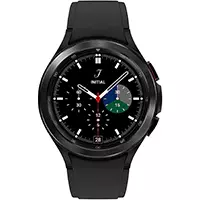
Galaxy Watch 4 |
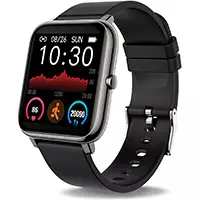
Donerton Smart |
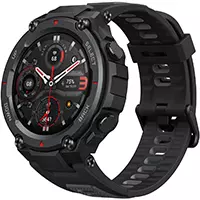
Amazfit T-Rex Pro |
Kalinco Smart |
|
|---|---|---|---|---|
| Brand | Samsung | Donerton | Amazfit | Kalinco |
| Color | Black | Black | Black | Black |
| Connectivity Technology | LTE, Bluetooth 5.0 | LTE | LTE, GPS | LTE, GPS |
| Operating System | Android 5.0 | Android 5.0 | Android 5.0 | Android 5.0 |
| Water Resistant | ||||
| Screen Size | 1.5 inches | 1.2 inches | 1.3 inches | 1.2 inches |