
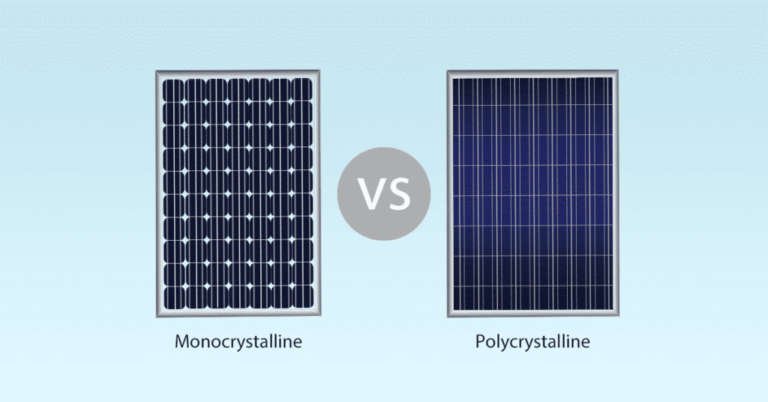
When shopping for portable solar panels, one of the most common technical questions buyers encounter is whether monocrystalline or polycrystalline solar panels are the better option. Both types of photovoltaic panels convert sunlight into electricity, but they differ in efficiency, manufacturing process, performance in real-world conditions, and overall suitability for portable solar setups.
Understanding the difference between these two solar technologies is important when choosing equipment for camping, RV travel, off-grid living, or home backup power. While both types of panels can generate electricity effectively, one has become the dominant choice in modern portable solar products due to its higher efficiency and improved performance in varying lighting conditions.
In this guide, we’ll explain how monocrystalline and polycrystalline solar panels work, explore the key differences between them, and help you determine which technology is best suited for portable solar power systems.
How Solar Panels Generate Electricity
Solar panels generate electricity through photovoltaic cells, which convert sunlight into electrical energy. These cells are made from silicon, a semiconductor material capable of absorbing photons from sunlight and releasing electrons. When these electrons move through a circuit, they create an electrical current.
The type of silicon used in solar cells determines whether the panel is classified as monocrystalline or polycrystalline. Although both technologies rely on silicon, their manufacturing processes and internal crystal structures are different. These differences influence how efficiently the panels convert sunlight into electricity and how well they perform in various environmental conditions.
Because portable solar panels must deliver reliable energy while remaining lightweight and compact, the efficiency of the photovoltaic cells plays an important role in determining overall performance.
What Are Monocrystalline Solar Panels?
Monocrystalline solar panels are made from a single, continuous crystal structure of silicon. During manufacturing, a pure silicon crystal is grown into a cylindrical shape and then sliced into thin wafers that form individual photovoltaic cells.
This uniform crystal structure allows electrons to move more freely through the material, which improves the panel’s ability to convert sunlight into electricity. As a result, monocrystalline panels typically achieve higher efficiency ratings than other solar technologies.
Modern monocrystalline solar panels often have efficiency ratings between 20% and 23%, making them one of the most effective options for generating solar power in limited space. This is especially valuable for portable solar systems, where surface area and weight must be minimized.
Another advantage of monocrystalline panels is their strong performance in lower light conditions. While all solar panels produce less energy in cloudy weather or partial shade, monocrystalline cells generally maintain better energy output compared with other panel types.
Because of these advantages, most high-quality portable solar panels used for camping, RV travel, and solar generators rely on monocrystalline technology.
What Are Polycrystalline Solar Panels?
Polycrystalline solar panels are also made from silicon, but their manufacturing process is different. Instead of forming a single crystal, molten silicon is poured into molds and allowed to cool into multiple crystal fragments.
This manufacturing method is simpler and historically less expensive, which made polycrystalline panels popular during the early growth of the solar industry. However, the presence of multiple crystal boundaries inside the cells slightly restricts electron movement, reducing overall efficiency compared with monocrystalline panels.
Polycrystalline panels typically achieve efficiency ratings between 15% and 18%, which means they require more surface area to generate the same amount of electricity as monocrystalline panels.
For large rooftop installations where space is less limited, this efficiency difference may not be significant. However, for portable solar panels where size and portability matter, higher efficiency panels are usually preferred.
Polycrystalline panels are also somewhat less effective in high temperatures and lower light conditions compared with monocrystalline panels.
Key Differences Between Monocrystalline and Polycrystalline Panels
Several factors distinguish these two solar technologies, including efficiency, cost, appearance, and overall performance.
Efficiency
Monocrystalline panels are generally more efficient, converting a higher percentage of sunlight into usable electricity. This means they can produce more energy from a smaller surface area.
Polycrystalline panels have slightly lower efficiency, requiring larger panel sizes to generate the same output.
Performance in Limited Space
Because portable solar panels must remain compact and lightweight, efficiency plays a major role in their design. Monocrystalline panels are better suited for portable solar systems because they generate more electricity from smaller panels.
Cost
Historically, polycrystalline panels were less expensive to manufacture. However, advances in solar manufacturing have reduced the cost difference significantly. Many modern portable solar panels now use monocrystalline cells while remaining relatively affordable.
Appearance
Monocrystalline solar panels typically appear darker and more uniform in color due to their single-crystal structure. Polycrystalline panels often have a bluish appearance with visible crystal fragments.
While appearance does not affect performance directly, it can be an easy way to visually distinguish between the two technologies.
Why Portable Solar Panels Use Monocrystalline Technology
Most portable solar panels used today rely on monocrystalline cells because they offer the best combination of efficiency, reliability, and compact design. Since portable solar systems must remain lightweight and easy to transport, manufacturers prioritize technologies that produce the most electricity in the smallest possible space.
Higher efficiency also allows portable panels to charge solar generators and power stations more quickly. This is particularly important during camping trips or emergency situations where sunlight hours may be limited.
In addition, monocrystalline panels tend to perform better in varying weather conditions, making them more reliable for travelers who may encounter cloudy skies or partial shade.
Are Polycrystalline Panels Still Used?
Although monocrystalline panels dominate the portable solar market, polycrystalline technology still exists in some large-scale solar installations and lower-cost solar products.
In situations where panel size is less important and installation space is abundant, polycrystalline panels can still provide a cost-effective way to generate renewable energy. However, for compact solar systems designed for mobility and convenience, monocrystalline panels are usually the preferred option.
Conclusion
When comparing monocrystalline and polycrystalline solar panels, the differences largely come down to efficiency, performance, and space requirements. Monocrystalline panels offer higher efficiency, better performance in lower light conditions, and more energy production from a smaller surface area. These advantages make them the preferred choice for most modern portable solar panels.
Polycrystalline panels can still be useful in certain large-scale solar installations, but their lower efficiency makes them less suitable for compact solar systems where portability and energy density are important.
For campers, RV travelers, and homeowners building portable solar backup systems, choosing monocrystalline portable solar panels will typically provide the best performance and reliability. As solar technology continues to improve, these high-efficiency panels are likely to remain the standard for portable solar power solutions.