
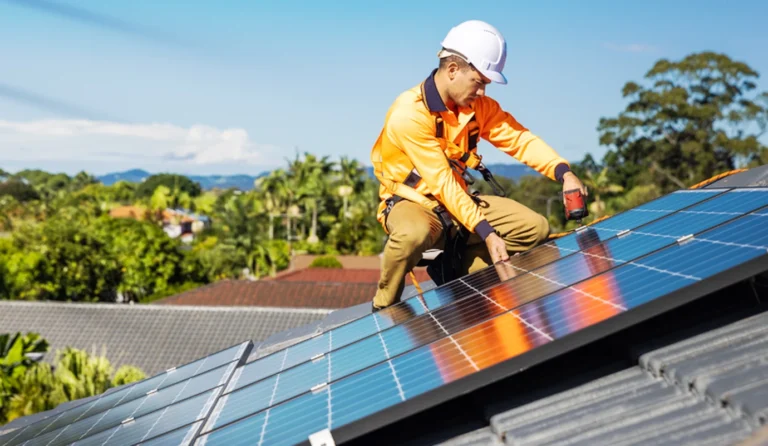
As portable renewable energy technology becomes more popular, many people researching off-grid power systems encounter two commonly discussed options: portable solar panels and solar generators. While these devices are often mentioned together, they serve different roles in a solar energy setup. Understanding the difference between the two is essential when deciding how to build a reliable portable power system for camping, RV travel, emergency preparedness, or off-grid living.
Portable solar panels are designed to generate electricity directly from sunlight, while solar generators are designed to store and distribute electricity. In many cases, the two systems are used together to create a complete portable solar power system. Solar panels collect energy during the day, and the solar generator stores that energy in a battery so it can be used later when sunlight is unavailable.
For someone new to portable solar power, this distinction can be confusing. Some buyers assume a solar generator produces energy on its own, when in reality it functions as a large battery that requires a charging source. Portable solar panels provide that charging source by converting sunlight into electrical energy.
In this guide, we’ll explore how portable solar panels and solar generators work, compare their advantages and limitations, and help you determine which solution is best for your needs.
Portable Solar Panels vs Solar Generators: Quick Comparison
|
Feature |
Portable Solar Panels |
Solar Generators |
|
Primary Function |
Generate electricity |
Store electricity |
|
Energy Source |
Sunlight |
Battery storage |
|
Power Output |
Depends on sunlight |
Depends on battery capacity |
|
Portability |
Lightweight and foldable |
Larger but still portable |
|
Best For |
Generating energy |
Powering devices |
What Are Portable Solar Panels?
Portable solar panels are compact photovoltaic systems designed to convert sunlight into electrical energy. Unlike traditional rooftop solar installations, portable panels are built to be lightweight, foldable, and easy to transport. This makes them ideal for outdoor activities such as camping, overlanding, RV travel, and emergency backup power.
Most portable solar panels use monocrystalline photovoltaic cells, which are highly efficient at converting sunlight into electricity. These cells capture sunlight and generate direct current (DC) electricity, which can then be used to charge batteries or power compatible devices.
Portable solar panels are often rated between 60 watts and 220 watts depending on their size and intended use. Smaller panels are commonly used for charging smartphones, GPS units, and small electronics during camping trips. Larger panels can generate enough energy to recharge portable power stations that power refrigerators, laptops, and lighting systems.
One of the biggest advantages of portable solar panels is their flexibility. Because they are not permanently installed, users can position them directly in sunlight to maximize energy production. This is especially useful when camping or parking an RV in shaded areas.
What Is a Solar Generator?
A solar generator is a portable battery system designed to store electrical energy and power devices when electricity is needed. Despite the name, a solar generator does not actually generate electricity on its own. Instead, it stores energy that has been produced by another source, such as solar panels, wall outlets, or car chargers.
Most solar generators include several important components inside a single unit. These typically include lithium battery storage, an inverter for AC power output, USB and DC charging ports, and charge controllers that regulate solar input.
These systems allow users to power devices such as laptops, lighting systems, medical equipment, and portable appliances without relying on traditional fuel generators.
Solar generators are popular because they provide clean, silent electricity without requiring gasoline or propane. Many models also include advanced features such as fast charging, mobile app monitoring, and expandable battery capacity.
How Portable Solar Panels and Solar Generators Work Together
While portable solar panels and solar generators serve different purposes, they are most effective when used together as part of a complete solar energy system.
The solar panel captures sunlight and converts it into electricity. This electricity flows into the solar generator, where it is stored in the battery. Once stored, the energy can be used to power devices even after the sun sets.
This setup allows users to generate electricity during the day and use it later when sunlight is unavailable. For example, a camper might use solar panels to recharge a battery during the afternoon and then power lighting and electronics throughout the evening.
Because of this complementary relationship, many outdoor enthusiasts purchase both components when building portable solar setups.
Advantages of Portable Solar Panels
Portable solar panels offer several benefits for off-grid energy generation.
One of the most important advantages is their ability to produce electricity anywhere sunlight is available. This makes them extremely useful for camping, overlanding, RV travel, and emergency preparedness.
Portable panels are also environmentally friendly because they generate electricity using renewable solar energy rather than fossil fuels. Unlike gasoline generators, they produce no emissions and operate silently.
Another advantage is portability. Many modern solar panels fold into compact carrying cases that can easily fit inside vehicles or backpacks. This portability allows users to deploy solar panels quickly whenever power is needed.
Because solar panels have few moving parts, they also require very little maintenance and can last for many years with proper care.
Advantages of Solar Generators
Solar generators provide several advantages that make them a popular choice for portable energy storage.
The most significant benefit is their ability to store electricity for later use. Once charged, a solar generator can power devices anytime, even when sunlight is not available.
Solar generators are also extremely versatile. Many models include multiple AC outlets, USB ports, and DC outputs that allow users to power a wide range of electronics simultaneously.
Another advantage is convenience. Unlike fuel-powered generators that require gasoline or propane, solar generators can be charged using renewable solar energy. They also operate quietly and produce no exhaust fumes.
These features make solar generators ideal for indoor use during power outages where traditional generators cannot be used safely.
Which Is Better for Camping?
For camping trips, the best solution is usually a combination of both portable solar panels and a solar generator.
Solar panels provide the energy generation needed to recharge batteries throughout the day. The solar generator stores that energy and allows campers to power devices during the evening or nighttime hours.
A typical camping setup might include a 100-watt portable solar panel and a 500-watt-hour portable power station. This setup can power smartphones, lights, cameras, and small electronics for several days depending on usage.
Which Is Better for Home Backup Power?
For home backup power, solar generators are typically more important than solar panels. During an outage, the battery system provides immediate electricity to power essential devices.
However, solar panels become extremely valuable during longer outages because they allow the battery to recharge using sunlight. Without solar panels, a battery system would eventually run out of stored energy.
For emergency preparedness, many homeowners combine 200-watt solar panels with 1000Wh or larger solar generators to provide extended backup power during grid outages.
Key Factors to Consider When Choosing
When deciding between portable solar panels and solar generators, several factors should be considered.
Power needs should be evaluated first. Determine how much electricity is required to run essential devices such as lighting, communication equipment, and refrigeration.
Portability is also important, especially for travelers and campers who may need to transport their energy systems frequently.
Battery capacity is another key factor. Larger solar generators can store more electricity and power devices for longer periods of time.
Charging speed should also be considered. Higher wattage solar panels will recharge batteries more quickly, which can be important during short daylight hours.
Conclusion
Portable solar panels and solar generators are not competing technologies but complementary components of the same energy system. Solar panels generate electricity from sunlight, while solar generators store that electricity and provide power when it is needed.
For most people building an off-grid energy setup, the best solution is to combine both technologies. Portable solar panels provide renewable energy generation, while solar generators provide convenient battery storage and power distribution.
Whether you are preparing for camping trips, RV travel, or emergency power outages, understanding how these systems work together can help you build a reliable portable solar power system that meets your energy needs.